Arrakis
Arrakis DARC-Turret-Guest Control
Arrakis DARC-Turret-Guest Control
Couldn't load pickup availability
Arrakis DARC-Turret-Guest Control
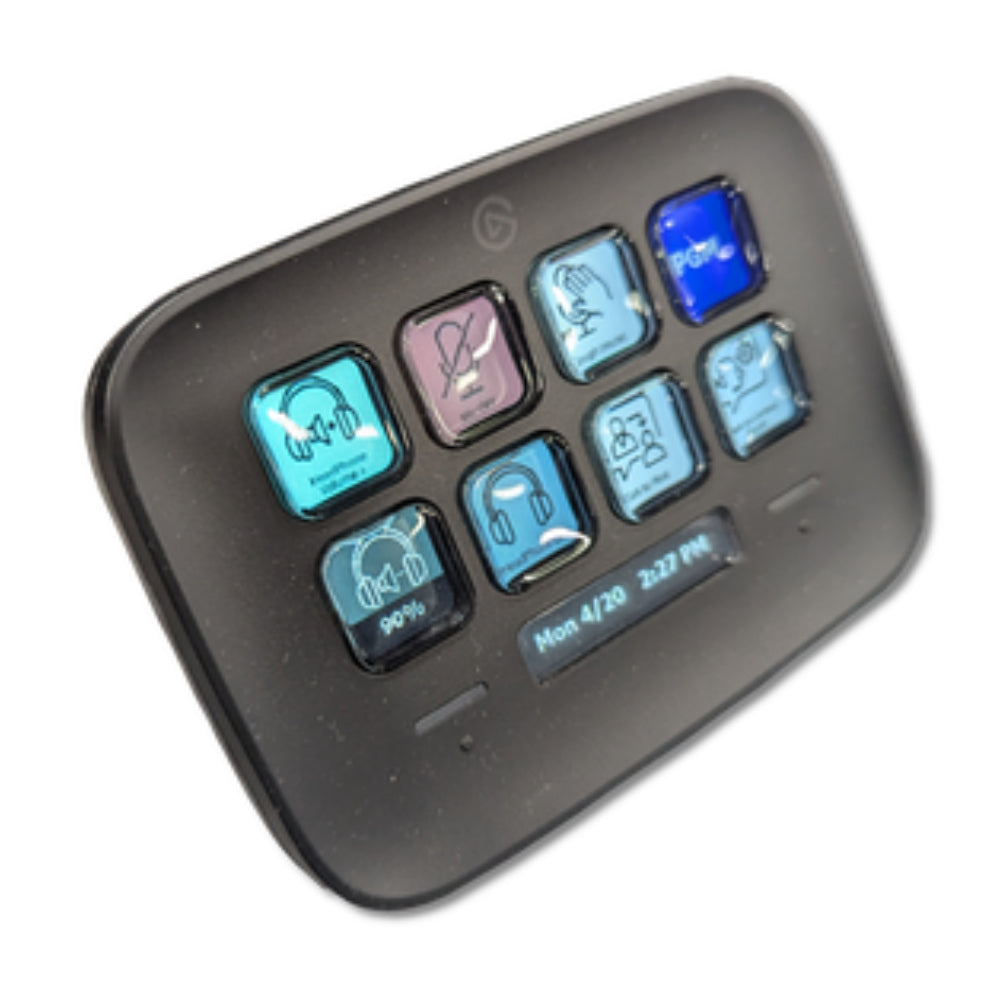
What This Arrakis DARC Turret Guest Control Actually Is This is the 8-button Guest Turret designed specifically for the DARC-Virtual family of consoles, giving remote or in-studio guests their own physical control point instead of relying on a host to manage every mic and headphone adjustment for them. It's built exclusively for the DARC AoIP platform, working alongside the Host Turret to bring dedicated hardware control to both sides of a multi-person studio setup. The Guest Turret pairs physical hardware with its own software integration into DARC Virtual, meaning every button press and level adjustment on the turret is reflected directly in the console software in real time. This system supports up to 3 guests, making it well suited for talk shows, interview formats, or any studio configuration where more than one guest needs independent control over their own mic and monitoring without constantly flagging down the host or control room operator. How the Guest Turret Puts Control Directly in the Guest's Hands With 8 dedicated buttons on the turret, guests get direct access to core functions like toggling their mic on or off, muting momentarily with a cough function, and adjusting their own headphone monitor without needing to ask the host to make changes from the main console. This is a meaningful upgrade over a guest simply sitting in front of a mic with no control at all, since it gives them the same kind of self-sufficiency a host has at the main board, just scaled down to what a guest actually needs. Because the turret is directly integrated with DARC Virtual, any adjustment a guest makes shows up immediately in the software, so the host or control room operator always has visibility into what each guest is doing at their position. This kind of dedicated hardware also cuts down on distractions during a live segment, since guests aren't waving at the host or typing messages to ask for a level change. Why Guest-Side Talkback and Monitoring Matter A big part of what makes multi-guest studio setups work smoothly is giving each guest a way to communicate off-air without disrupting the live mix, and the Guest Turret is built around exactly that kind of workflow. Guests can manage their own headphone volume, which matters more than it might seem, since every guest hears the mix differently and having to ask someone else to adjust levels constantly gets old fast during a longer segment. The turret's mic controls also tie directly into the mic monitor mute functionality built into DARC Virtual, so activating a guest's mic can automatically adjust monitor output the same way it would from the main console. This keeps the guest experience consistent with how the rest of the DARC system behaves, rather than feeling like a separate, disconnected piece of hardware bolted onto the studio. How This Fits Into a Multi-Guest DARC AoIP Studio Since this turret is built exclusively for the DARC AoIP family, it only works alongside a DARC Virtual software console and the associated Dante network infrastructure already running in your studio, rather than as a standalone accessory. Supporting up to 3 guests means you can outfit a studio for a fairly common talk-format setup, host plus multiple guests, without needing custom or improvised hardware solutions for each additional person in the room. Pairing the Guest Turret with a Host Turret rounds out the full studio control experience, giving both the host and every guest position dedicated hardware rather than having only the host manage everything centrally. This is particularly valuable for stations running interview shows, panel discussions, or multi-host programs where more than two people regularly need mic and monitor control at the same time. Who Should Be Adding This Turret to Their Studio This is a strong addition for any studio already running the DARC-Virtual console family that regularly hosts more than one guest at a time, whether that's a talk show, a panel format, or a call-in program with in-studio participants. It's especially useful for stations that have outgrown a single-mic setup and want each guest to have real, independent control over their own mic and monitoring rather than funneling every request through the host. Because it supports up to 3 guests, this turret scales well for shows with a rotating cast of guests or a consistent multi-person format. For any studio investing in the broader DARC AoIP ecosystem, this turret is a natural next step once guest interaction becomes a regular part of the show.
Share