Arrakis
Arrakis MARC-15-15 15 Channel Mainframe
Arrakis MARC-15-15 15 Channel Mainframe
Couldn't load pickup availability
Arrakis MARC-15-15 15 Channel Mainframe
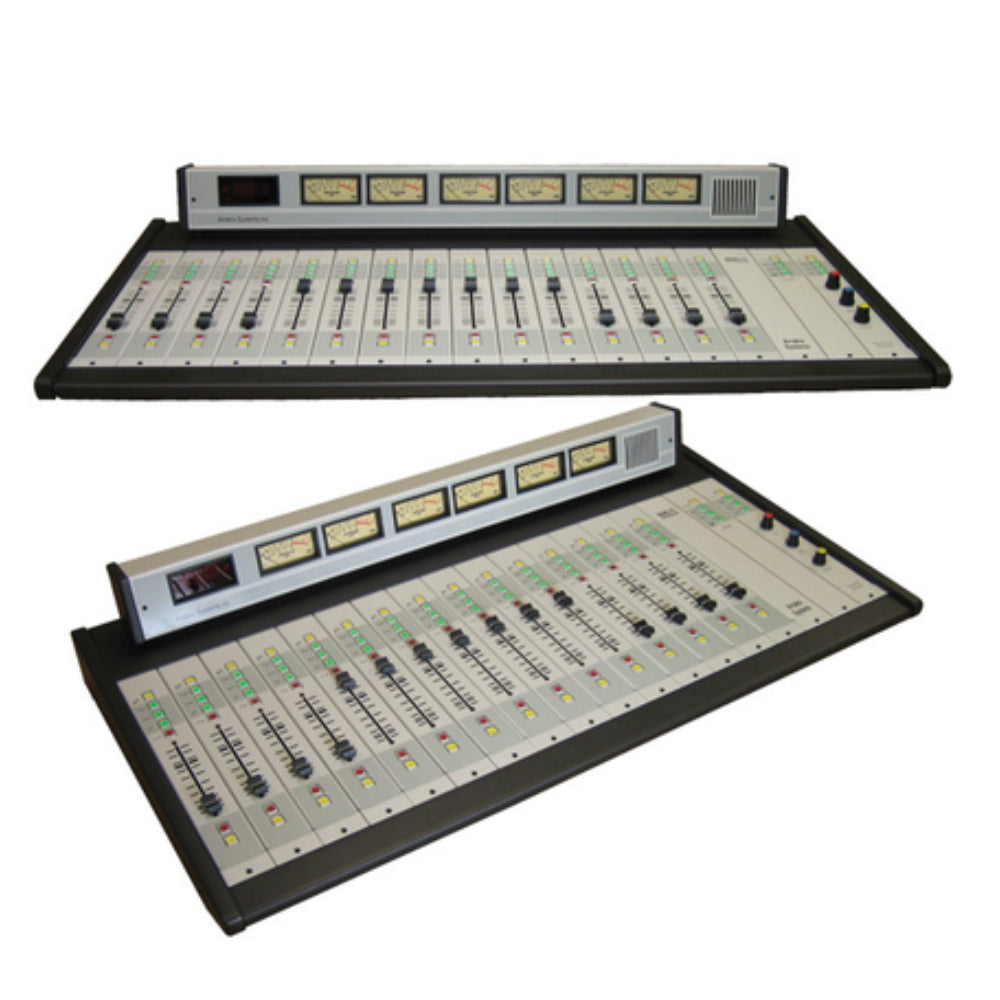
What This Arrakis MARC-15-15 Console Mainframe Actually Is This is the MARC-15 in its fully populated configuration, a 15-channel modular mainframe with all 15 input module slots filled, giving you maximum channel capacity right from the start with no blank slots left open. The MARC-15 is Arrakis's flagship analog console, built specifically for On Air radio, Production, and News applications where reliability and configuration flexibility genuinely matter. What sets this console apart is its fully modular design, meaning every channel is an independent, swappable module rather than a fixed part of the board, so if one module ever fails, you stay on air while that single piece gets serviced or replaced rather than losing your entire console. With every one of the 15 slots populated, this configuration is built for stations that need the console's complete channel capacity working from day one rather than planning for gradual expansion. How the Modular Design Lets You Build Exactly What Your Studio Needs Because the MARC-15 mainframe accepts any combination of input modules up to its total channel capacity, you're not locked into a fixed mic-to-line ratio the way you would be with a non-modular console. With all 15 slots to fill, you can mix and match microphone modules, stereo line modules, a USB module, phone modules, and a studio monitor module in whatever combination actually matches your programming, with the only real constraints being a maximum of one USB module, two phone modules, and one studio monitor module per mainframe. Any number of mic or stereo line modules can fill the rest of the available slots, giving you genuine control over exactly how all 15 channels get allocated. This means a heavily mic-driven talk studio and a music-focused production room can both run the exact same MARC-15 mainframe at full capacity, just configured with entirely different module combinations to match their actual programming needs. Why Three Stereo Output Buses Handle Even Complex Shows The MARC-15 gives you three separate stereo Program output mixes, each including mono mixdowns, letting you run on-air programming, background production work, and a third independent mix simultaneously without any of them interfering with each other. Alongside these three Program buses, you also get dedicated Monitor, Headphone, and Cue systems, giving operators the full range of listening paths they need to manage a show properly. This three-bus architecture is specifically what makes the MARC-15 capable of handling genuinely complex, multi-purpose studio setups, and with the full 15-channel configuration, you have maximum flexibility to route a large number of simultaneous sources across all three of those independent buses. What Each Type of Input Module Brings to Your Fully Populated Configuration Mic modules include high-performance preamps with A/B inputs, optional 48V phantom power, and turret control logic with tally indication specifically for the A inputs, giving you real remote channel control at the microphone position itself. Stereo line modules provide balanced A/B inputs with isolated relay source logic on the A inputs, letting you control connected playback sources like automation systems or other machine sources directly through the console's logic system. The USB soundcard module lets you play and record digital audio directly from a connected Windows PC, and with a maximum of one USB module per mainframe, this channel becomes your primary digital audio bridge into the board. Phone modules bring full hybrid control logic for connecting external phone systems, with the mainframe supporting up to two of these modules if your studio regularly handles multiple simultaneous callers. An optional studio monitor module rounds out the lineup specifically for talk studios that need direct communication between the control room and a separate talent space, and with all 15 slots filled, you have the flexibility to include every module type this console supports in a single build. Why the Physical Build Supports Fast Installation and Long-Term Reliability Every input and output on the MARC-15 uses standard RJ45 connectors, with the console shipping alongside included RJ45 terminated cables specifically to make installation fast and straightforward rather than requiring custom wiring work. The console's low profile tabletop design keeps it practical for a variety of studio desk layouts, and machine source control runs through isolated reed relays, keeping your logic connections clean and electrically separated from potential interference. The meter panel hinges up and back, giving technicians direct access to I/O connectors and trim pots whenever service or adjustment is needed, without requiring the console to be pulled apart or removed from the desk. Power comes from an external, auto-sensing 110 to 220VAC module, meaning the same console works correctly whether you're installing it domestically or internationally without needing a separate voltage converter. What the Meter Panel and Built-In Monitoring Give You The meter panel houses real VU meters monitoring all three output buses simultaneously, giving operators genuine, at-a-glance visual feedback across every active signal path on the console rather than a single combined reading. A built-in digital timer supports both manual and automated control, useful for tracking segment lengths or managing scheduled programming elements throughout a show. The console also includes a cue and talkback system with its own built-in amplifier and speaker, letting operators preview audio off-air or communicate with talent without needing any additional outboard equipment connected separately. Why DHD-Live Adds Real Software Capability to This Console This configuration includes DHD-Live, Arrakis's live assist software, giving your operators a genuine software layer for managing playlists, hot keys, and live show production alongside the console's physical hardware. Keep in mind that DHD-Live specifically requires the USB module to be installed and active in your mainframe configuration, so if you're planning to use this software, make sure your 15-module selection includes that USB soundcard module when placing your order. Having DHD-Live included means this console isn't purely a hardware mixing solution, it's paired with real software tools suited for both broadcast and internet radio applications right out of the box. Who Should Be Choosing This Fully Populated MARC-15 Configuration This configuration is the right call for stations that know they need the console's full 15-channel capacity from day one, whether that's a larger station running multiple hosts and sources simultaneously, or a studio that wants every available slot working rather than planning for future incremental expansion. It's particularly well suited for busy On Air, Production, or News applications that genuinely require a large, comprehensive mix of mic, line, phone, and USB inputs all populated at once, backed by three independent output buses capable of handling the most demanding, multi-purpose programming a station might run.
Share